
How Can Link Building Help With Local SEO?
Link building is one of the key pillars of running successful SEO campaigns, where quality control is key.
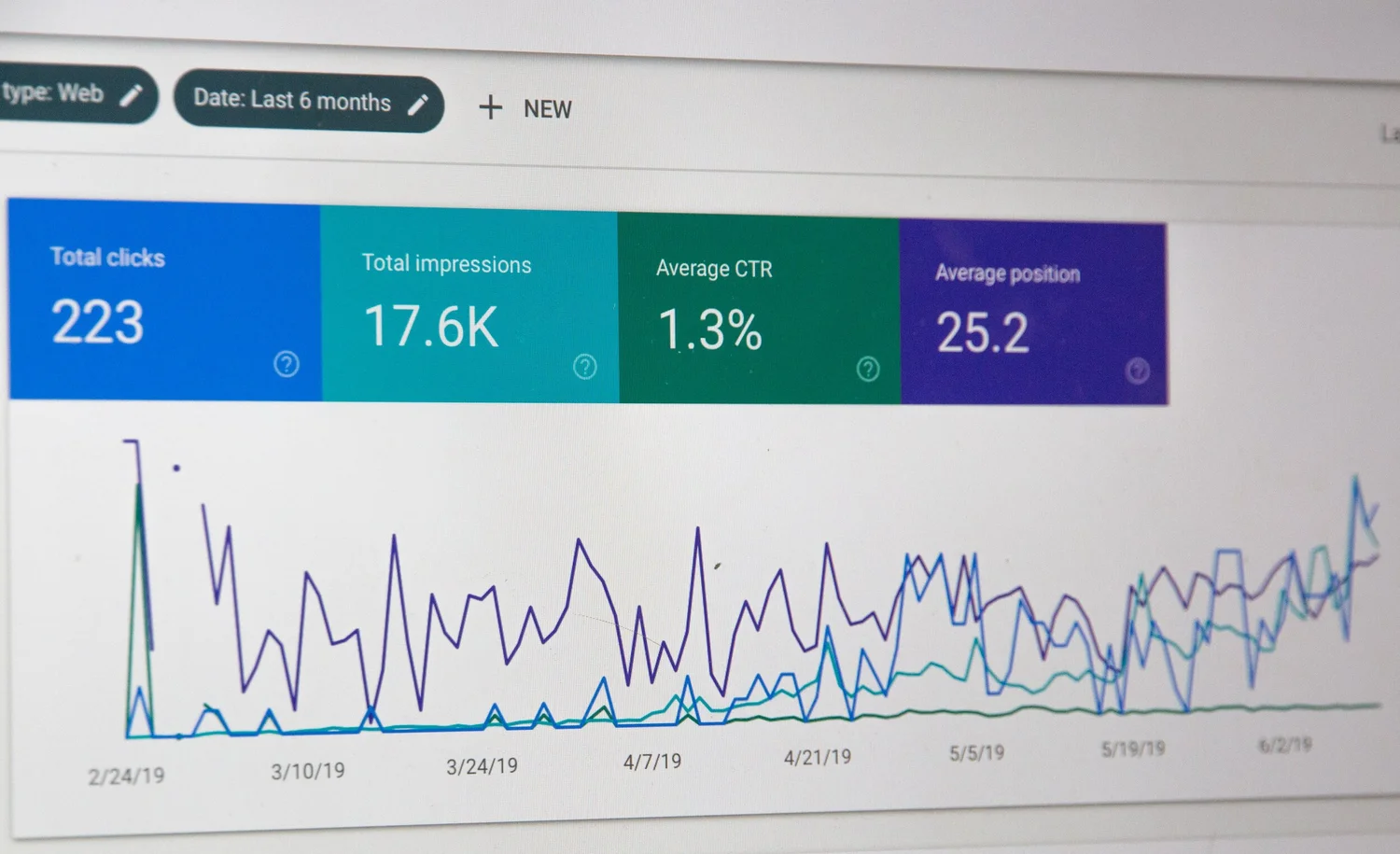
When another website links to yours, it passes along a signal of trust. Google’s founders built the entire engine on this idea, and while the algorithm has grown enormously more sophisticated, authority earned through links remains one of the strongest ranking factors there is.
Why Links Matter For Local Rankings
Local rankings, including the map pack, are driven by relevance, distance and prominence. Links are how you build prominence. A local business that’s mentioned and linked by respected publications, local news sites, industry directories and community organisations looks, to Google, exactly like what it is: a real, established business people trust.
Your competitors’ backlinks are also a map of the standard you need to beat. Part of every campaign we run is analysing exactly where their authority comes from, so we know precisely what it will take to outrank them.
What Makes A Link Good (Or Dangerous)?
Quality control is everything. A handful of links from genuinely relevant, high quality publications is worth more than thousands from link farms, and the cheap kind can actively hurt you: Google penalises manipulative link schemes, and recovering from a penalty is far more expensive than doing it right the first time.
That’s why our campaigns are completely white-hat. No purchased link networks, no shady shortcuts, no risks taken with the business you’ve built.
How We Build Links For Local Businesses
- Digital PR campaigns: stories, insights and assets that relevant publications actually want to feature, earning links naturally.
- Local citations: consistent listings across the directories that matter in your industry and area, the foundation layer of local authority.
- Infographic and content-led link building: useful, shareable assets that attract references over time.
- Competitor gap analysis: finding the authoritative sources linking to your rivals but not to you, and closing the gap.
The Honest Bit
Link building is a long game. Authority compounds: every quality placement makes the next ranking battle easier, but nobody reputable can promise you a specific position by a specific date. What we can promise is the full picture of your niche, your competitors and the effort required, so you’re always in the driving seat.
Link building works hardest when the foundations are right, so start with our local SEO services and see how digital PR fits into the wider campaign.
What Counts As A Good Local Link
The test is simple and it is not technical: would this link exist if search engines did not? A link from the local rugby club you sponsor, the trade association you belong to, the supplier who lists approved installers, or the regional paper that covered something you did, all pass. A link from a site that exists only to sell links does not, and increasingly it is a liability rather than dead weight.
Relevance beats authority for local work. A link from a modest, genuinely local website is often worth more to a business serving one town than a link from a large national site with no connection to the area, because it corroborates the thing you are trying to prove: that you are established here.
Where Local Links Actually Come From
Things you already do. Most businesses are already sponsoring, supplying, partnering or belonging to something, and are simply not linked from any of it. This is the cheapest available win and it is usually one email.
Suppliers and manufacturers. Approved installer, stockist and partner directories are frequently overlooked, carry real authority, and often already have you listed without a link.
Local press and community sites. Not press releases about nothing. Something genuinely happened, an award, a hire, a project, a charity effort, and local publications need material.
Trade bodies and accreditation registers. If you hold a qualification or accreditation, check whether the issuing body lists members publicly and whether your entry is complete.
What To Avoid
Buying links in bulk, guest posts on networks that exist purely to host them, and reciprocal link exchanges are all detectable and all carry risk that outlives the benefit. The awkward truth is that they sometimes work in the short term, which is why they persist. The businesses that get hurt are the ones that cannot explain, months later, where their links came from.
Directory submissions deserve a specific mention. A handful of relevant, genuinely used directories is good practice and part of citation consistency. Several hundred submissions to directories nobody has ever visited is not link building, it is noise, and it makes the consistency job harder.